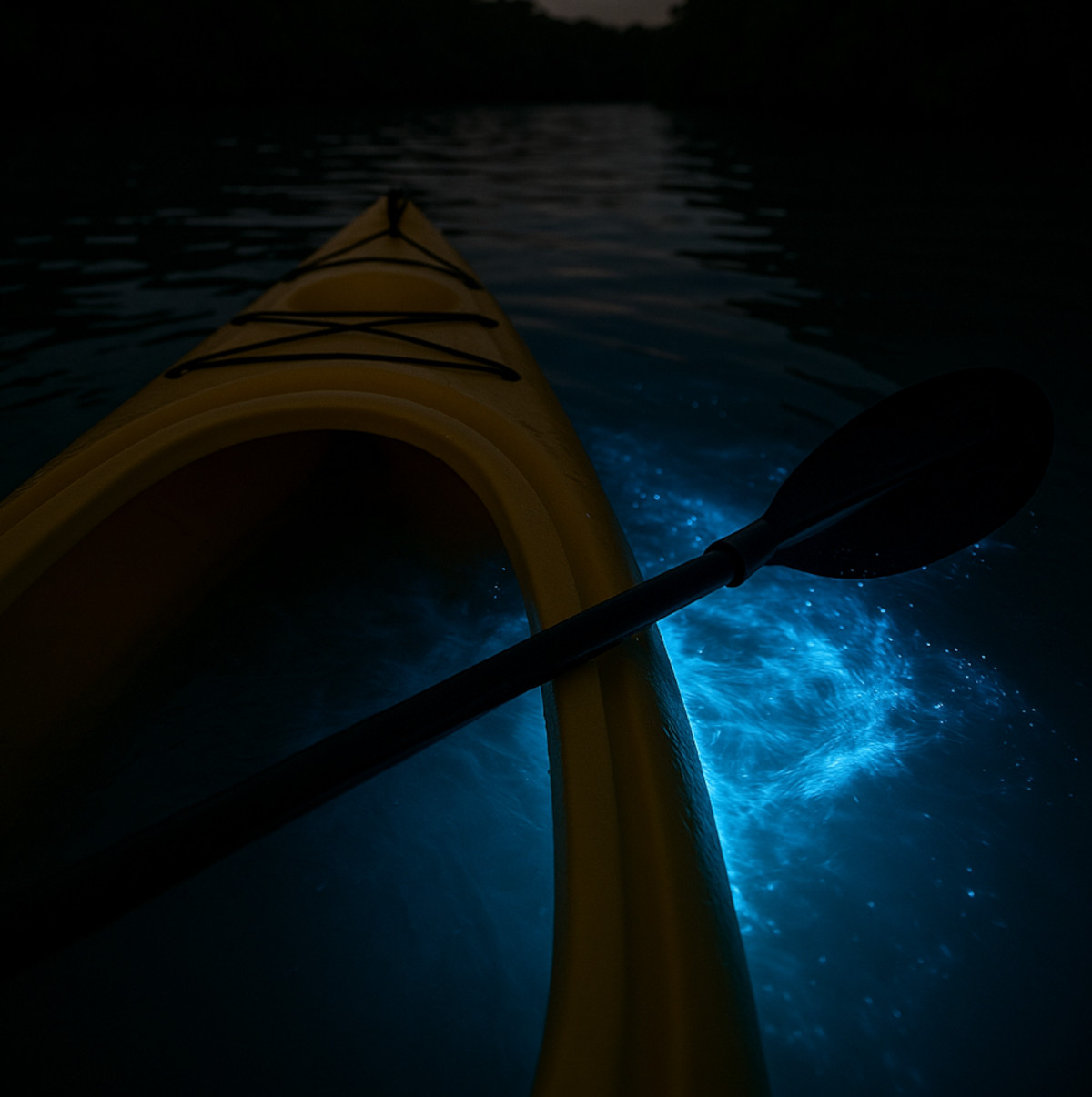
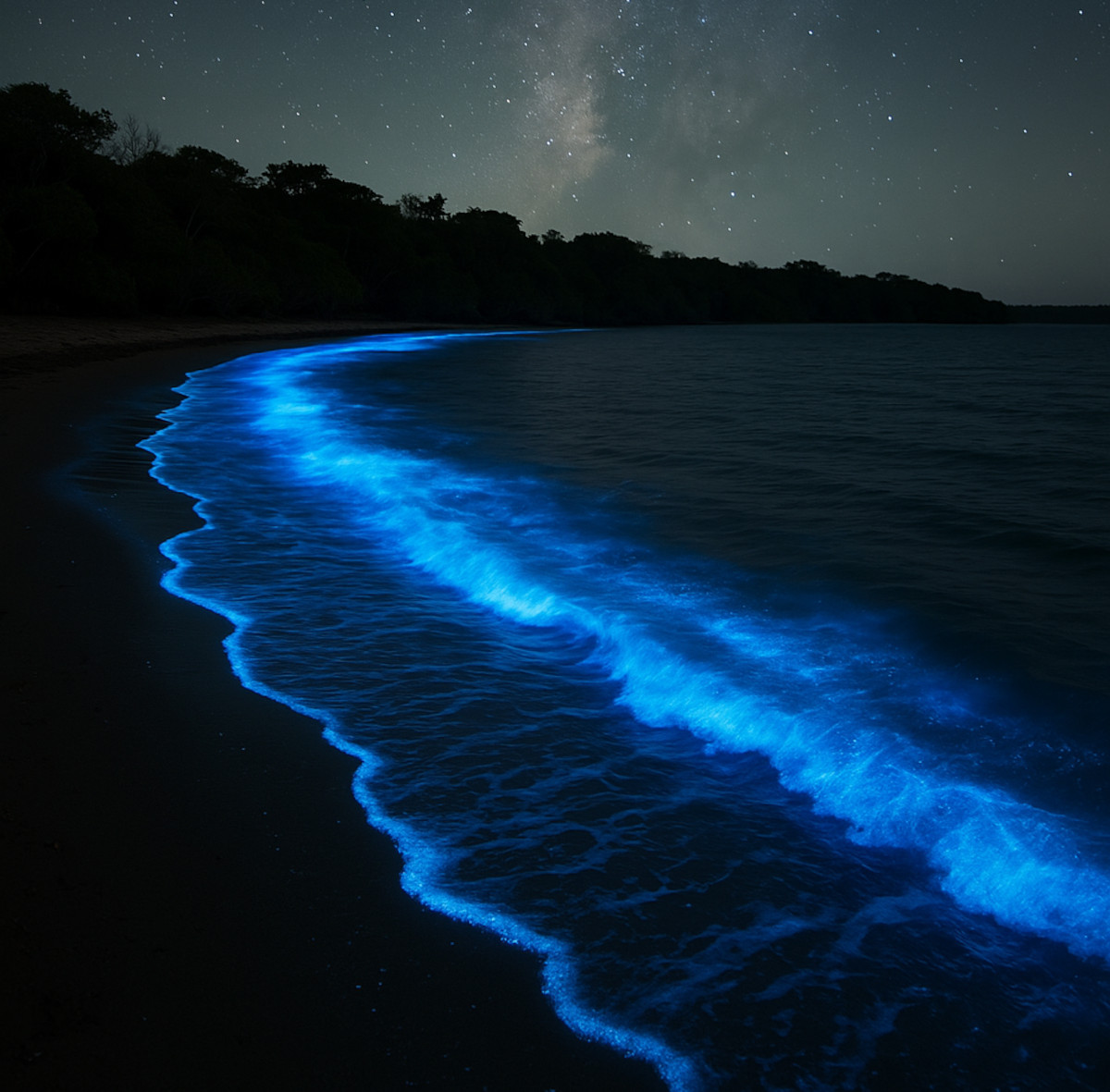
Few nighttime experiences in Puerto Rico compare with watching the water sparkle with blue-green light as a paddle moves through a bioluminescent bay. Even more remarkable, Puerto Rico is home to three of these rare ecosystems: Mosquito Bay in Vieques, Laguna Grande in Fajardo and La Parguera in Lajas.
But which Puerto Rico bio bay should you visit?
The answer depends on your trip. Mosquito Bay offers the most famous—and potentially brightest—experience, Laguna Grande is the easiest choice for many travelers staying around San Juan, while La Parguera offers boat-based experiences and the possibility of swimming when conditions and current rules allow.
This guide compares all three bioluminescent bays in Puerto Rico so you can decide which one fits your itinerary, understand what to expect and choose the right night to experience the glow.
Updated: September 2026
Puerto Rico’s Bio Bays at a Glance
| Bio Bay | Location | Best For | Typical Experience | Swimming |
|---|---|---|---|---|
| Mosquito Bay | Vieques | The most impressive glow | Guided kayak tour | No |
| Laguna Grande | Fajardo | Visitors staying near San Juan | Guided kayak tour | No |
| La Parguera | Lajas | Southwest trips & boat tours | Boat or kayak tour | Generally permitted* |
Swimming at La Parguera can depend on conditions and tour operator restrictions. Confirm when booking.
What Is a Bioluminescent Bay?
The glow comes from microscopic organisms called dinoflagellates. When the water around them is disturbed, they produce a brief flash of light.
Move a paddle through the water and tiny flashes can appear around it. Trail your hand through the water where permitted and the movement can look like sparkling stars.
Bioluminescence occurs elsewhere in the world, but Puerto Rico is particularly special because three well-known bioluminescent ecosystems are concentrated around the island.
And each offers a very different experience.
Mosquito Bay, Vieques
Best for: The ultimate Puerto Rico bio bay experience
If seeing the strongest possible bioluminescence is your priority, Mosquito Bay on Vieques is the one we’d choose.
Mosquito Bay was recognized by Guinness World Records in 2006 for its extraordinary bioluminescence and remains Puerto Rico’s most celebrated bio bay.
The setting contributes almost as much to the experience as the glow itself. Vieques has relatively little surrounding light pollution, while the protected bay and mangrove ecosystem help create ideal conditions for concentrations of dinoflagellates.
What to Expect
Mosquito Bay is typically experienced on a guided kayak tour. Some operators use clear-bottom kayaks, adding another perspective when conditions are good.
Tours generally transport visitors from the Esperanza area to the bay before groups enter the water with a guide.
Swimming is not permitted in Mosquito Bay.
Getting to Mosquito Bay
This is the biggest consideration when choosing Vieques.
You first need to reach Vieques by ferry from Ceiba or by air. Because bio bay tours take place at night, we recommend staying overnight on Vieques rather than trying to treat Mosquito Bay as a quick excursion from San Juan.
That extra planning is the trade-off for experiencing Puerto Rico’s most famous bio bay.
Choose Mosquito Bay if: Seeing the best possible bioluminescence is more important than convenience.
Laguna Grande, Fajardo
Best for: Visitors staying in San Juan or northeastern Puerto Rico
For many first-time visitors, Laguna Grande in Fajardo offers the best combination of accessibility and experience.
Despite commonly being called a bio bay, Laguna Grande is technically a lagoon. A narrow mangrove-lined channel leads kayakers into the lagoon, making the journey itself part of the experience.
What to Expect
Most Laguna Grande experiences involve kayaking through the mangrove channel before reaching the lagoon.
Guided tours operate at night, often with more than one departure time.
Swimming is not permitted.
Laguna Grande sits within the Cabezas de San Juan Natural Reserve area, so respecting the surrounding ecosystem is particularly important.
Getting to Laguna Grande
Fajardo is on Puerto Rico’s east coast and is roughly an hour to an hour and fifteen minutes from San Juan by car, depending on traffic and where you’re starting.
That makes Laguna Grande considerably easier to incorporate into a San Juan vacation than Mosquito Bay.
You could also combine a stay in the east with El Yunque, Luquillo or a daytime trip to the offshore cays before visiting the bio bay at night.
Choose Laguna Grande if: You’re staying in or around San Juan and want the easiest access to a classic kayaking bio bay experience.
La Parguera, Lajas
Best for: Boat tours, southwest Puerto Rico & travelers who don’t want to kayak
La Parguera offers the most different experience of Puerto Rico’s three bio bays.
Located on the southwest coast in Lajas, La Parguera can be explored by kayak, but motorized boat tours are also permitted, making it particularly attractive to travelers who don’t want to paddle.
Another major difference is swimming.
La Parguera is generally the only one of Puerto Rico’s three bio bays where swimming in the bioluminescent water is permitted. Availability can vary with conditions and individual tour operators, so confirm before booking if swimming is important to you.
What to Expect
Experiences range from shorter nighttime boat trips and kayak tours to longer excursions combining sunset, snorkeling, swimming or visits to nearby cays.
That flexibility makes La Parguera especially easy to incorporate into a full day exploring southwest Puerto Rico.
Getting to La Parguera
From San Juan, expect approximately 2 to 2½ hours by car, depending on traffic.
If you’re staying around Rincón or Puerto Rico’s west coast, La Parguera becomes much more convenient—roughly an hour from Rincón depending on your starting point.
Choose La Parguera if: You’re exploring western or southwestern Puerto Rico, prefer a boat to a kayak, or want the possibility of swimming in bioluminescent water.
Which Puerto Rico Bio Bay Is Best?
If your itinerary allows it, Mosquito Bay would be our first choice purely for the bioluminescent experience.
But “best” really depends on where you’re staying.
Staying on Vieques?
Choose Mosquito Bay.
Staying in San Juan and don’t want to spend a night on Vieques?
Choose Laguna Grande.
Staying in Rincón, Cabo Rojo or southwest Puerto Rico?
Choose La Parguera.
Don’t want to kayak?
La Parguera’s boat tours make it the easiest choice.
Want the strongest potential glow?
Mosquito Bay.
The mistake would be assuming that you need to visit the “best” one regardless of your itinerary. All three can provide memorable experiences when conditions are right.
When Is the Best Time to Visit a Puerto Rico Bio Bay?
The moon phase matters.
Bioluminescence doesn’t switch off because the moon is bright. The problem is that moonlight makes the glow more difficult for your eyes to see.
Generally, darker nights around a new moon provide better viewing conditions, while nights around a full moon can make the effect less dramatic.
Weather, water conditions, tides and other environmental factors can also affect visibility. Bioluminescence is a natural phenomenon, so no tour operator can guarantee exactly how bright the water will appear on a particular night.
Check the Moon Before You Book
Before choosing your tour date, check our Puerto Rico Bio Bay Moon Phase Calendar. It can help you identify darker nights and avoid scheduling your bio bay experience around the brightest part of the lunar cycle.
Kayak or Boat Tour?
For Mosquito Bay, expect kayaking.
For Laguna Grande, kayaking is the classic experience and allows you to paddle through the mangrove channel leading to the lagoon.
La Parguera gives you more flexibility, with both kayak and motorized boat experiences available.
If mobility, comfort in a kayak or traveling with younger or older family members is a concern, La Parguera’s boat options may make it the better choice.
If you’re comfortable kayaking, however, paddling through dark water and watching flashes appear around your paddle can be an unforgettable part of the experience.
Can You Swim in Puerto Rico’s Bioluminescent Bays?
Swimming is not permitted at Mosquito Bay or Laguna Grande as part of efforts to protect these sensitive ecosystems.
La Parguera is different. Swimming is generally permitted there on most nights, although conditions and individual operator rules can affect whether swimming is offered.
If swimming is one of the reasons you’re choosing La Parguera, ask your tour operator about the current rules when you book rather than assuming it will be available.
What Should You Bring on a Bio Bay Tour?
Keep it simple.
Wear comfortable, lightweight clothing that you don’t mind getting wet. Quick-drying clothes and water-friendly footwear are good choices for kayaking.
Follow your tour operator’s instructions regarding insect repellent, sunscreen and other skin products. Chemicals entering the water can affect these fragile ecosystems, so products that seem harmless on land may not be appropriate around a bio bay.
And don’t expect your phone to capture what your eyes see.
Low-light photography of bioluminescence is difficult, and phone screens, flashes and other bright lights can also interfere with the experience.
Sometimes the best option is simply to put the phone away and enjoy it.
Tips for Visiting Puerto Rico’s Bio Bays
Book ahead, particularly during busy travel periods and around favorable moon phases.
Choose as dark a night as possible and avoid the days closest to a full moon when your schedule allows.
Follow your guide’s instructions and avoid unnecessary lights once you’re on the water.
Don’t touch or remove anything from the surrounding ecosystem.
And remember that you’re visiting a living natural environment, not a theme-park attraction. The intensity of the glow can change from one night to another.
DPR Insider Tip
Plan the bio bay night first, then build the rest of that day’s itinerary around it. Check the moon phase before locking in your date, avoid exhausting yourself with a full day of activities before a late kayak tour, and give yourself plenty of time to reach the meeting point before dark.
For Mosquito Bay in particular, don’t build an itinerary that depends on taking the last ferry back to the main island after your tour. Make Vieques part of the trip and enjoy the experience without rushing.
Puerto Rico Bio Bay FAQ
How many bioluminescent bays are there in Puerto Rico?
Puerto Rico has three famous bioluminescent ecosystems: Mosquito Bay in Vieques, Laguna Grande in Fajardo and La Parguera in Lajas.
What is the brightest bio bay in Puerto Rico?
Mosquito Bay in Vieques is renowned for its exceptionally strong bioluminescence and was recognized by Guinness World Records in 2006.
Which bio bay is closest to San Juan?
Laguna Grande in Fajardo is the closest of Puerto Rico’s three bio bays to San Juan and is generally the easiest choice for travelers staying in the metropolitan area.
Can you visit a bio bay from San Juan?
Yes. Laguna Grande is the easiest option from San Juan. La Parguera can also be reached by car but requires a much longer drive. Visiting Mosquito Bay requires first traveling to Vieques.
Can you swim in a Puerto Rico bio bay?
Swimming is prohibited at Mosquito Bay and Laguna Grande. La Parguera generally permits swimming, subject to current conditions and tour-operator rules.
Do Puerto Rico’s bio bays glow every night?
The organisms are present year-round, but the visible intensity can vary. Moonlight, weather and water conditions can all influence what visitors see.
Is a new moon better for a bio bay tour?
Usually, yes. Less moonlight means darker surroundings, making the bioluminescence easier to see.
Can you photograph the bioluminescence?
It can be surprisingly difficult. Standard phones and cameras often struggle to reproduce the glow visible to the human eye. Follow your tour operator’s rules concerning cameras, phones and artificial light.
Which Bio Bay Should You Add to Your Puerto Rico Trip?
Puerto Rico’s three bio bays share the same extraordinary natural phenomenon, but the experiences are far from identical.
Mosquito Bay is the one to build a Vieques stay around. Laguna Grande makes the most sense for many travelers based in San Juan or northeastern Puerto Rico. And La Parguera is the natural choice for a western or southwestern itinerary, particularly if you prefer exploring by boat.
Whichever you choose, pay attention to the moon, book ahead and treat the ecosystem carefully.
The real magic happens once the surroundings go dark, the water moves and Puerto Rico starts to glow.
Photos: ai