Puerto Rico may be famous for the lush rainforest of El Yunque, but head to the island’s southwest coast and you’ll find a completely different landscape. Bosque Seco de Guánica (the Guánica Dry Forest), offers miles of hiking trails through an arid subtropical forest filled with cactus, rugged limestone, coastal vegetation and sweeping views toward Guánica Bay.
For hikers, birdwatchers and anyone looking to experience a side of Puerto Rico that feels worlds away from the rainforest, the Guánica Dry Forest is well worth exploring.
We’ve hiked here ourselves, and one lesson stands out from that visit: start early. We arrived after lunch, and hiking under the southwest Puerto Rico sun quickly showed us why morning is the better time to explore the forest.
Guánica Dry Forest at a Glance
| Offical Name | Bosque Estatal de Guánica |
| Location | Guánica, southwest Puerto Rico |
| Gest For | Hiking, nature, birdwatching & photography |
| Landscape | Subtropical dry forest |
| Hours | 7:30am - 4pm |
| Admission | Free |
| Main Address | PR-334 from PR-116 |
| Parking | Free parking at the visitor center |
| Facilities | Visitor information & restrooms |
| Best Time To Visit | Early morning |
| Bring | Plenty of water, sunscreen, hat & sturdy footwear |
What Makes the Guánica Dry Forest So Different?
If you’ve already visited El Yunque National Forest, don’t expect anything remotely similar here.
Instead of towering rainforest vegetation, rushing streams and waterfalls, Bosque Seco de Guánica introduces you to one of Puerto Rico’s driest environments.
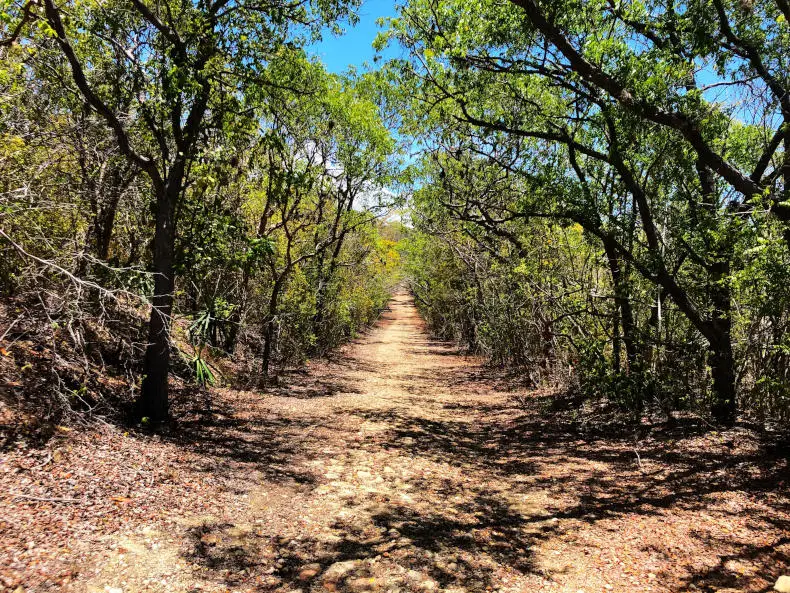
The landscape includes cactus, thorny vegetation, scrub forest, rocky terrain and plants specifically adapted to survive with considerably less rainfall.
The contrast is one of the reasons we think Guánica deserves more attention from visitors. You can experience Puerto Rico’s famous rainforest and then hike through a dramatically different ecosystem without ever leaving the island.
The forest itself extends well beyond the main hiking area. According to Puerto Rico’s Department of Natural and Environmental Resources (DRNA), Bosque Estatal de Guánica encompasses approximately 11,000 cuerdas and around 13 miles of coastline.
It is also an important habitat for Puerto Rico’s wildlife, particularly birds, making it an excellent destination for birdwatching as well as hiking.
Our Experience Hiking Bosque Seco de Guánica
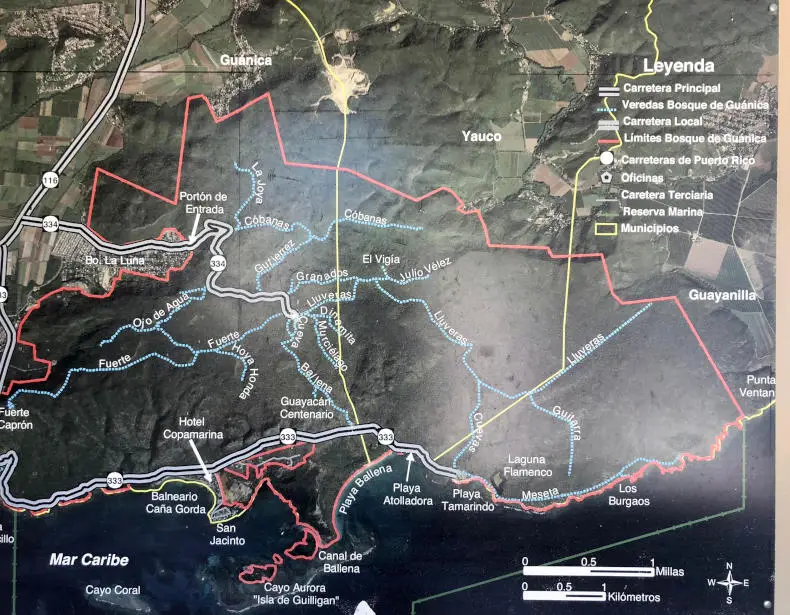
On our visit, we entered the forest from PR-334 and headed out to explore several trails, including Lluberas, Julio Vélez and Granados.
Almost immediately, it was obvious how different hiking here is from hiking in El Yunque.
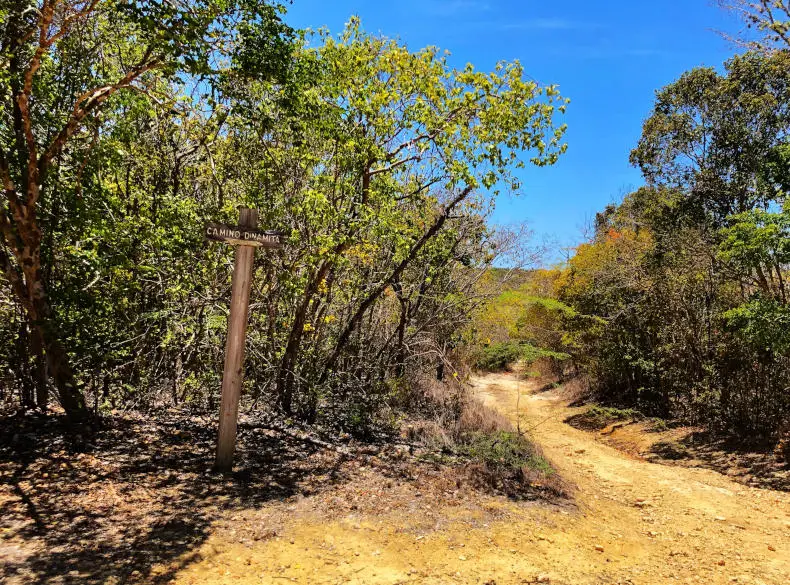
The trails can be rocky and exposed, and the vegetation changes considerably as you move through the forest. Instead of the dense tropical canopy you might expect elsewhere in Puerto Rico, you’ll encounter an environment shaped by heat and limited rainfall.
And then there was our timing.
We arrived after lunch. That wasn’t our best decision.
With the afternoon sun beating down and relatively little shade along parts of the trail, the heat became as much a part of the hike as the terrain itself.
If we were doing the same hike again, we’d arrive when the forest opens and take advantage of the cooler morning temperatures.
Hiking Trails in Guánica Dry Forest
The Guánica Dry Forest contains a network of trails ranging from relatively short walks to much longer hikes through the reserve.
Which route you choose will depend on how much time you have, the type of hike you’re looking for and how comfortable you are hiking in Guánica’s hot, exposed conditions.
Lluberas Trail
Lluberas is one of the major routes through the forest and can be combined with several connecting trails.
It’s a good choice for hikers wanting to experience more of the dry forest landscape rather than simply taking a short walk near the visitor area.
Depending on the route you choose, a Lluberas hike can become a substantial outing, so take plenty of water and allow more time than you think you’ll need.
Ballena Trail
Ballena heads through the dry forest toward the coastal area around Bahía Ballena.
The combination of dry forest and Caribbean coastline makes this one of the more interesting ways to see how the reserve’s ecosystems transition toward the sea.
Remember that hiking downhill toward the coast means you’ll eventually have to make the return climb — potentially during a much hotter part of the day.
Cueva Trail
As the name suggests, Cueva Trail provides access toward limestone cave formations within the reserve.
It’s another example of how varied the landscape can be despite the forest’s relatively dry appearance.
Fuerte Caprón
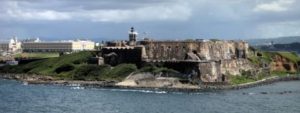
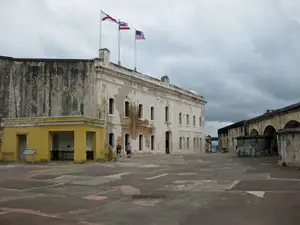
One of the best-known hiking destinations within Bosque Seco de Guánica is Fuerte Caprón, a historic fortification overlooking Guánica Bay.
The route is generally considered a moderate hike, but don’t underestimate it simply because the terrain doesn’t involve rainforest mountains. Heat and sun exposure can make the hike considerably more demanding.
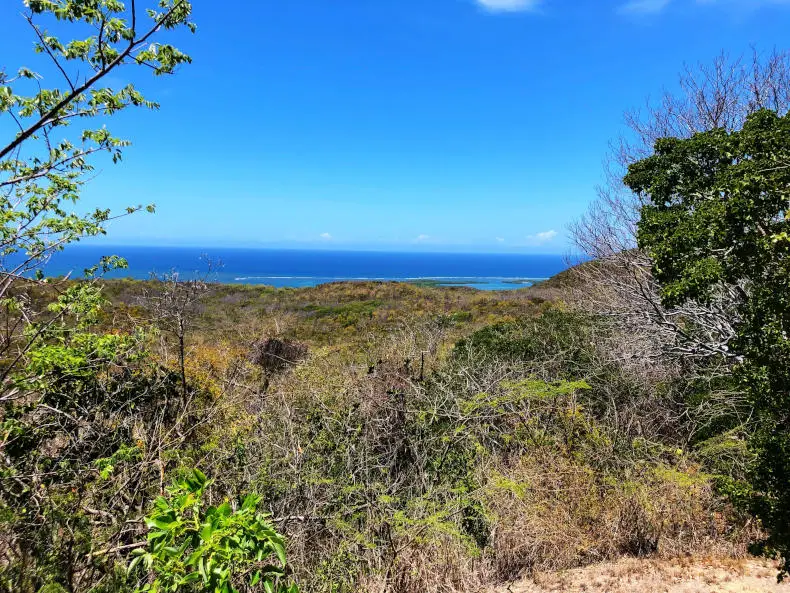
The reward is one of the forest’s signature views: a sweeping panorama across the dry forest and blue waters of Guánica Bay.
When Is the Best Time to Hike Guánica Dry Forest?
Morning without question.
DRNA moved the forest’s opening time to 7:30 a.m. specifically to give visitors more opportunity to enjoy the cooler morning temperatures.
Take advantage of it.
Puerto Rico’s southwest is among the island’s hottest and driest areas, and midday or afternoon hiking can be uncomfortable. Starting early also gives you more flexibility if your hike takes longer than anticipated.
DPR Insider Tip
Don’t repeat our mistake and wait until after lunch to start hiking.
We learned firsthand how quickly the heat can change the experience here. Arrive early, carry more water than you think you’ll need and save the hottest part of the afternoon for lunch or one of Guánica’s beaches.
What to Bring
Hiking Guánica requires slightly different preparation than hiking in Puerto Rico’s wetter forests.
Bring plenty of drinking water, sunscreen, a hat, sunglasses, lightweight breathable clothing, sturdy hiking or walking shoes, snacks, insect repellent and a fully charged phone.
Don’t rely on finding food or drinks once you’re out on the trails.
And don’t underestimate the terrain. Sections can be rocky, uneven and exposed to direct sun, making good footwear particularly important.
Birdwatching and Wildlife
You don’t have to tackle one of the longest trails to appreciate Bosque Seco de Guánica.
The forest is also one of Puerto Rico’s most interesting destinations for birdwatching and nature photography.
DRNA has documented hundreds of plant species and a significant diversity of birdlife within the reserve, including endemic species.
Hiking quietly, particularly early in the morning, gives you a better chance of noticing wildlife that can easily be missed when you’re concentrating solely on reaching a trail destination.
Current Hours, Admission and Visitor Information
The latest specific schedule published by DRNA lists Bosque Estatal de Guánica as open from 7:30am to 4pm, Tuesday through Sunday and holidays.
The visitor center is the best place to begin your visit, with parking, restrooms and information to help you choose a trail.
Before You Go: Confirm the day’s operating hours and trail conditions with DRNA or the Bosque Estatal de Guánica visitor center before making the drive, especially if you plan to hike a specific trail.
Getting to Bosque Seco de Guánica
The main visitor access is via PR-334 from PR-116 in Guánica.
If you’re using GPS, search for Bosque Estatal de Guánica rather than simply Guánica Dry Forest.
Once you arrive, stopping at the visitor center is a good way to orient yourself and decide which trail best fits the time you have available.
If you’re planning a longer hike, don’t assume you’ll always have dependable cell service. Downloading your route or map beforehand is a sensible precaution.
How Much Time Should You Allow?
That depends entirely on how much hiking you want to do.
For a short introduction to the forest, allow approximately two hours. For longer trails or a hike to Fuerte Caprón, plan for several hours.
If you’re driving from San Juan, Guánica works much better as part of a full-day southwest Puerto Rico trip than as a quick excursion.
And there’s plenty nearby to fill the rest of your day.
What to Do Near Guánica Dry Forest
One advantage of hiking early is that you’ll still have much of the day available to explore southwest Puerto Rico.
You could combine the forest with Guánica’s beaches, Playa Santa, Tamarindo, the Guánica waterfront or La Parguera in nearby Lajas. Another option is simply to reward yourself after the hike with lunch at one of the area’s seafood or criollo restaurants.
A morning hike followed by lunch and some time near the water makes for an excellent southwest Puerto Rico day trip.
Guánica Dry Forest vs. El Yunque
If you’re deciding between the two, our answer is simple:
They’re not substitutes for one another.
El Yunque gives you Puerto Rico’s lush tropical rainforest experience.
Guánica gives you something entirely different, cactus, dry forest, rocky trails, coastal landscapes and an ecosystem many first-time visitors don’t realize exists in Puerto Rico.
If you enjoy hiking and have enough time on the island, experience both.
Why Guánica Dry Forest Is Worth the Hike
Bosque Seco de Guánica is one of those places that shows just how geographically diverse Puerto Rico can be. Come prepared for the heat, wear proper footwear, bring plenty of water and most importantly start early.
We learned that last one the hard way.
But that’s also part of what made hiking the Guánica Dry Forest memorable. This isn’t El Yunque without the rain. It’s an entirely different Puerto Rico hiking experience and one that’s well worth discovering.
Last updated: September 2026